palace - alexandria
A towering ancient Roman column surrounded by archaeological ruins, showcasing Alexandria’s rich history, Pompey’s Pillar stands as one of Alexandria’s most iconic ancient landmarks. This majestic 27-meter red granite column, towering over the ruins of the Serapeum temple, is a testament to the city’s rich Greco-Roman heritage.
Read More
A former royal palace displaying exquisite jewelry and artifacts from Egypt’s royal family. Originally constructed in the 19th century, the building was the palace of Princess Fatima Al-Zahra, showcasing a rare and distinguished architectural style of its era.
Read More
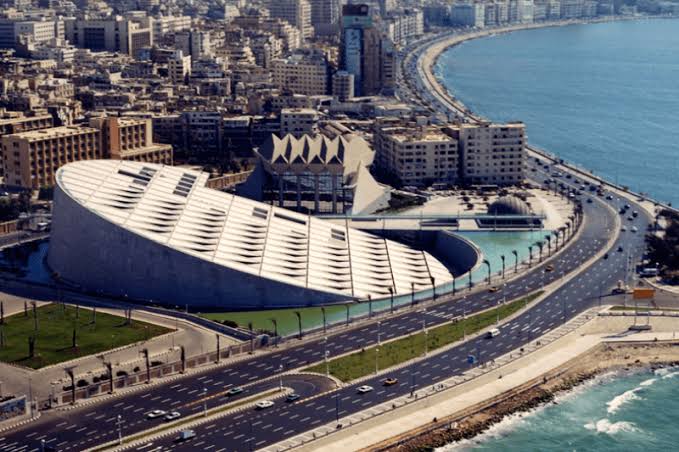
Approximately 13 kilometers from the hotel, A modern cultural hub reviving the ancient library, featuring museums, art galleries, and a planetarium.
Explore its vast collection of books, museums, art galleries, and a planetarium that make it a hub of knowledge and culture.
Read More
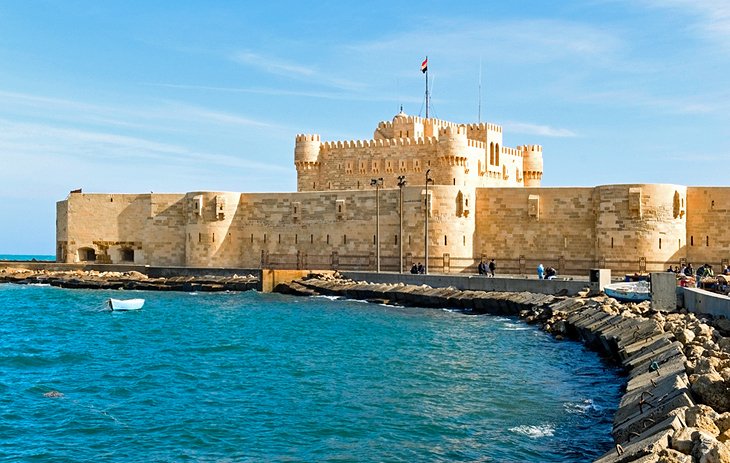
Located 17 kilometers away, A 15th-century fortress with stunning sea views and a connection to Alexandria’s maritime heritage.
Built on the ruins of the legendary Lighthouse of Alexandria, this historic site offers stunning views of the sea and a glimpse into Egypt's rich maritime history.
Read More
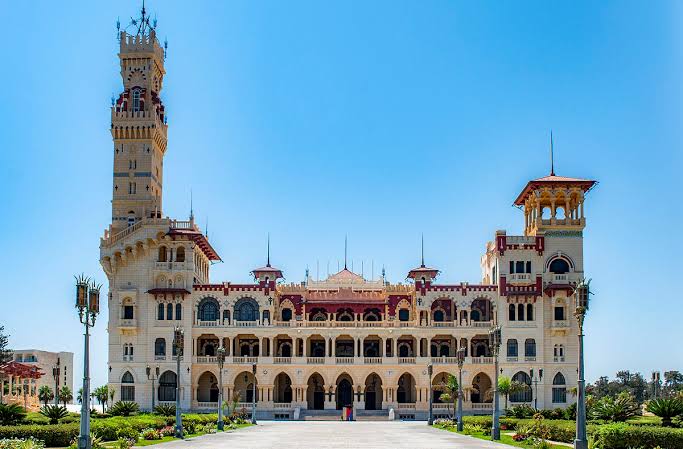
Montaza Palace is a palace, museum, and extensive garden in the Montaza district of Alexandria, Egypt. It was built on a low plateau east of central Alexandria overlooking a beach on the Mediterranean Sea
Read More
Distance: 5 km (0.6 mi) approx. Time: 10 min by car
The Arab Academy for Science, Technology and Maritime Transport (AASTMT) is a regional university established in 1972 in Alexandria, Egypt, under the Arab League.
Read More
The Graeco-Roman Museum is an archaeological museum located in Alexandria, Egypt. Its collection of over 40,000 objects includes sculptures, mosaics, woodwork
Read More
Royal Tea Island and its associated lighthouse are within Alexandria's Montaza Palace complex, a historical royal retreat with lush gardens and beaches overlooking the Mediterranean. The island, a former tea kiosk established in the 1930s for King Farouk I, offers cafes, scenic views, and pathways. The lighthouse, a decorative, unpainted stone structure.
Read More